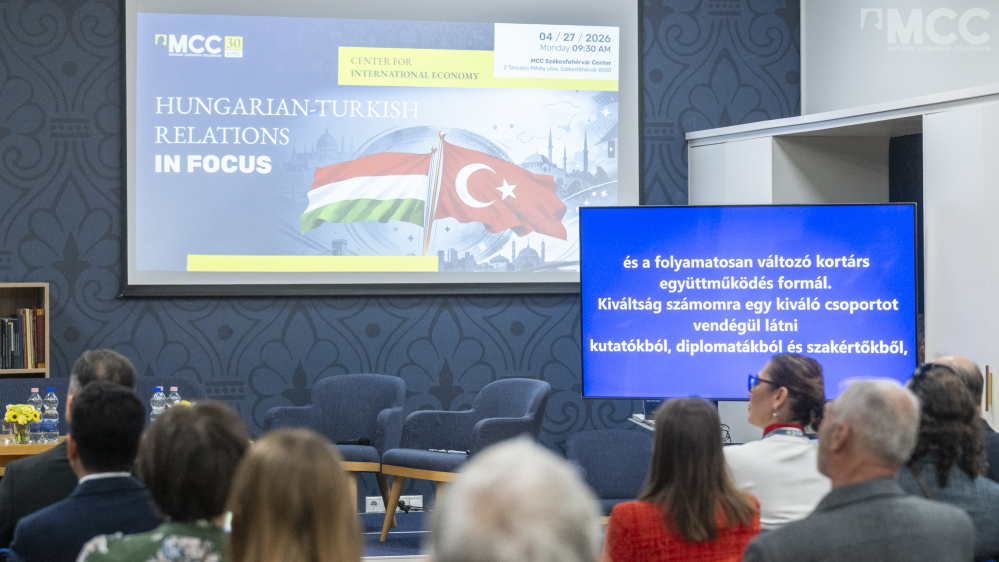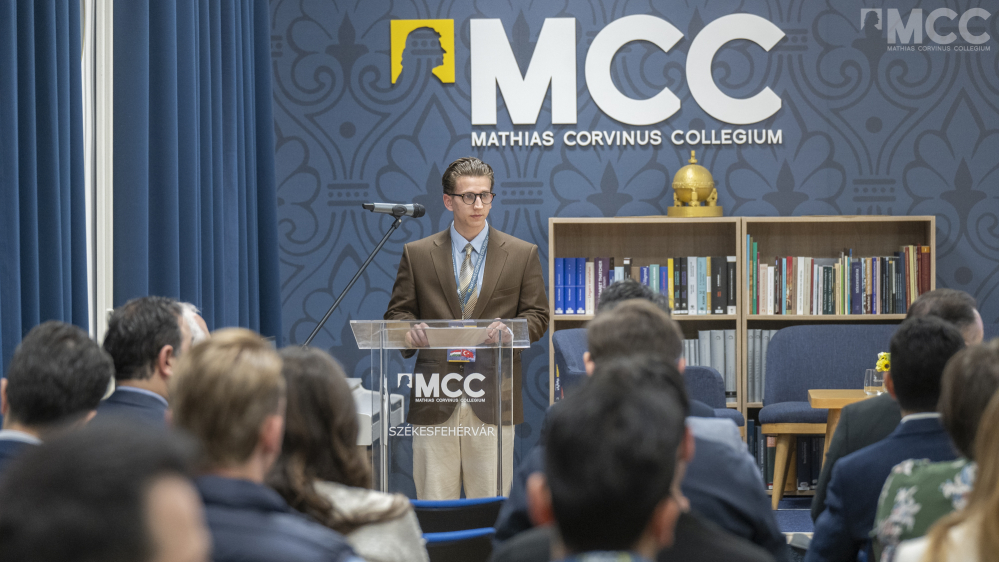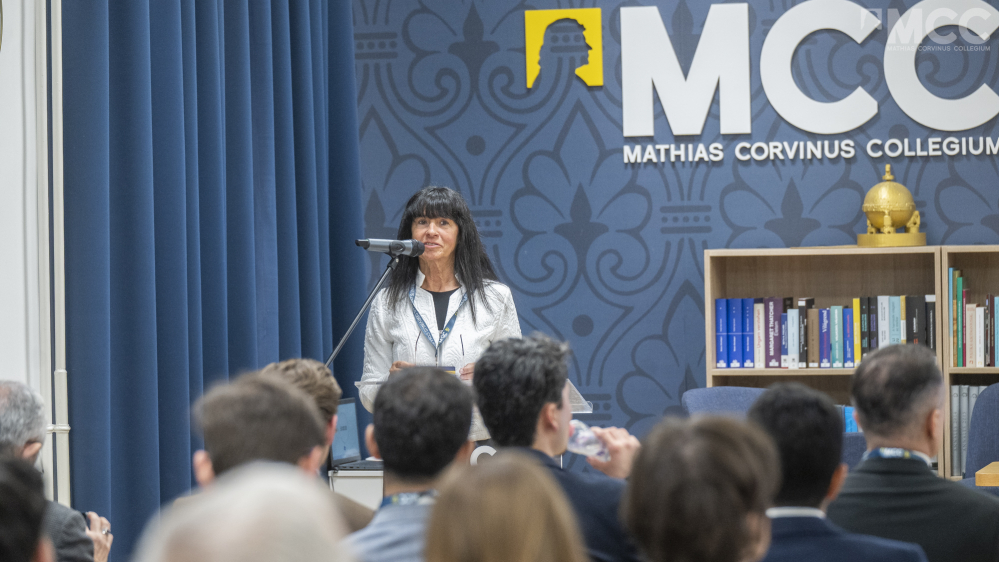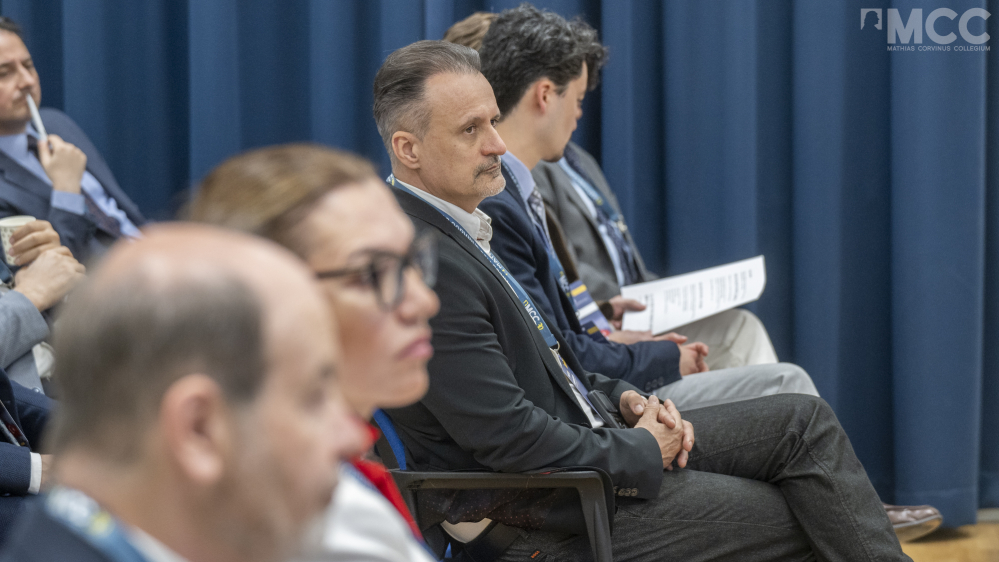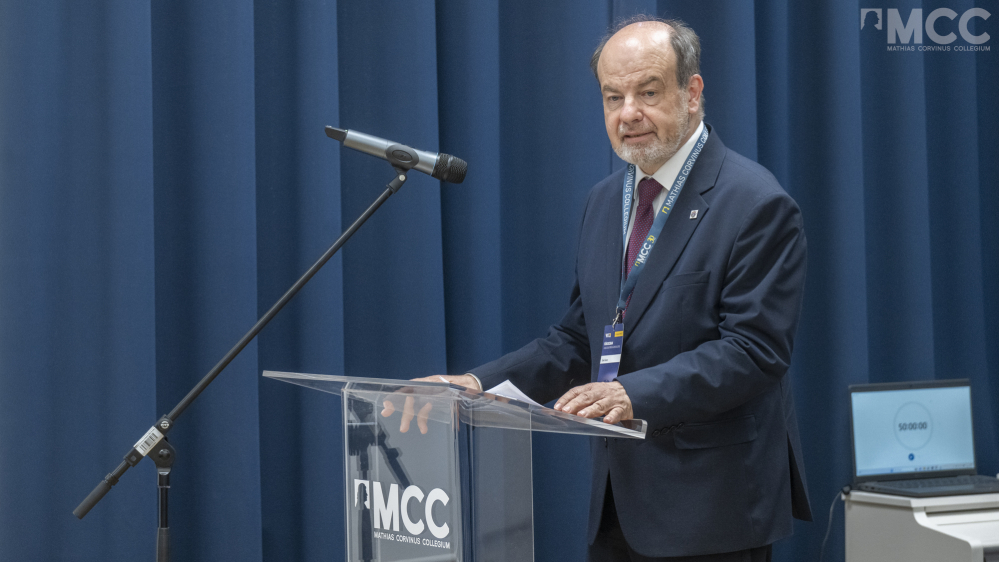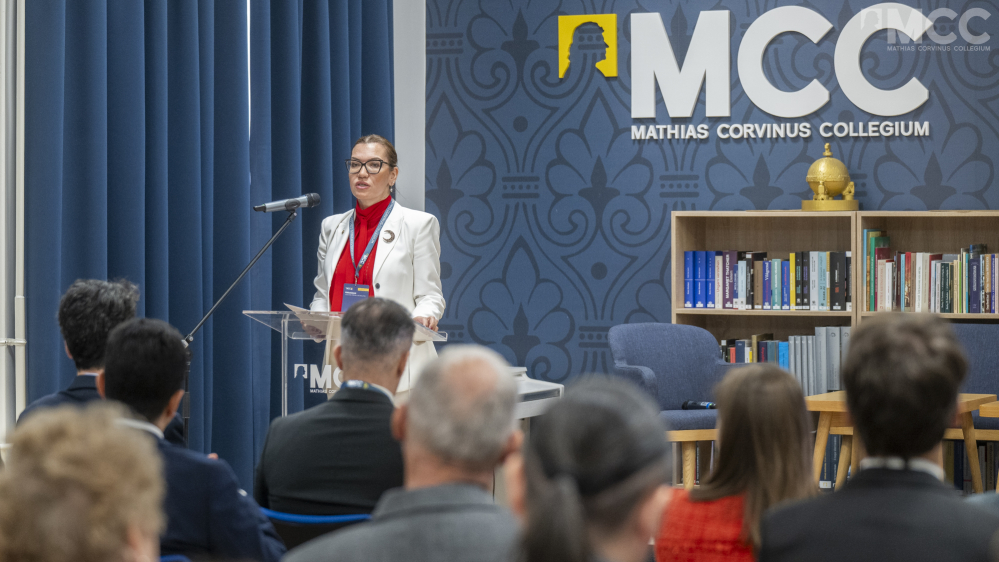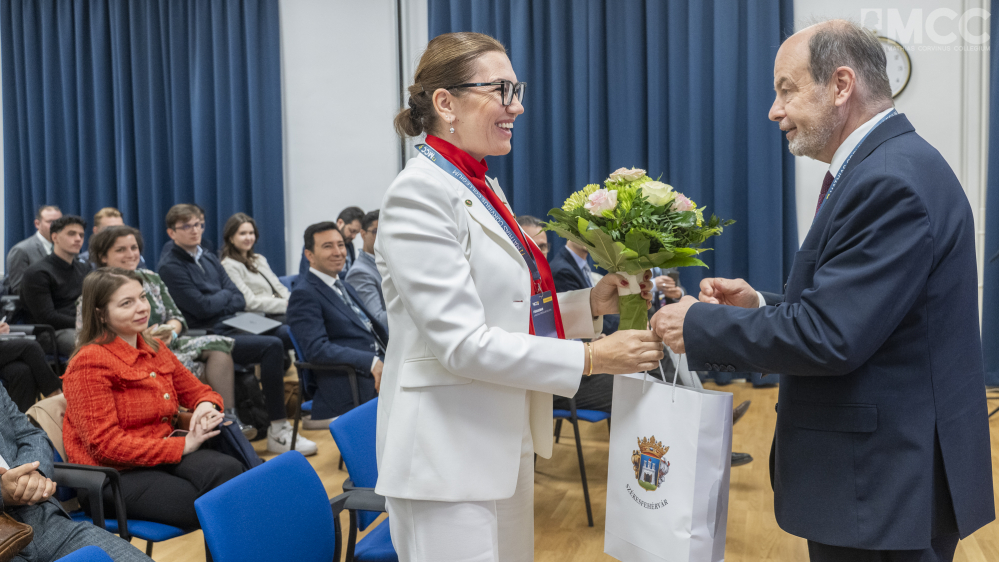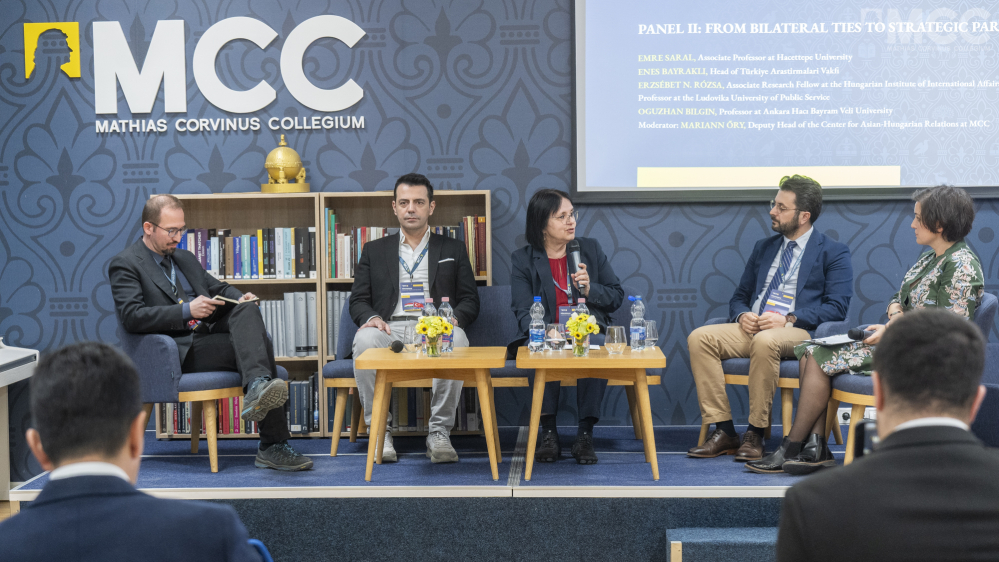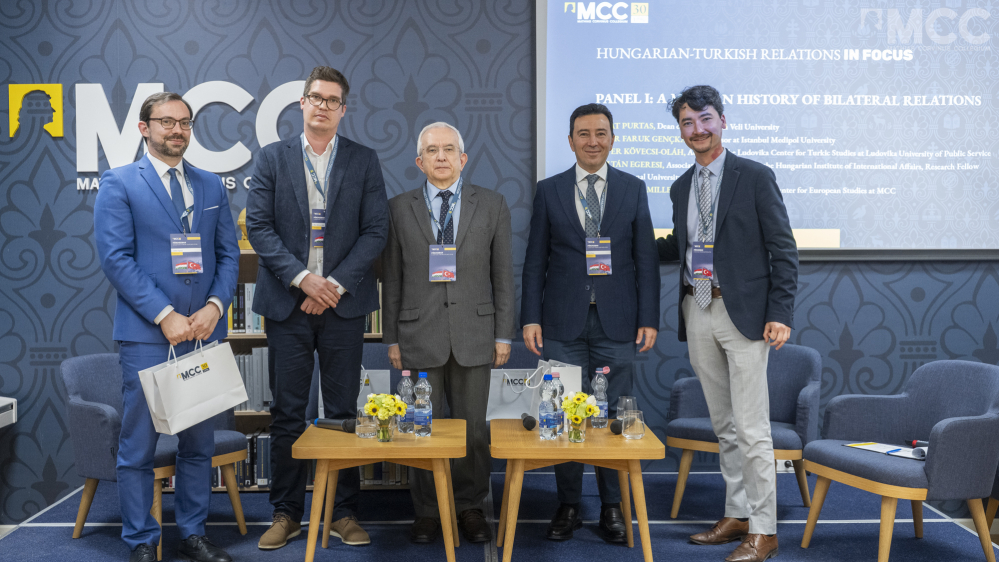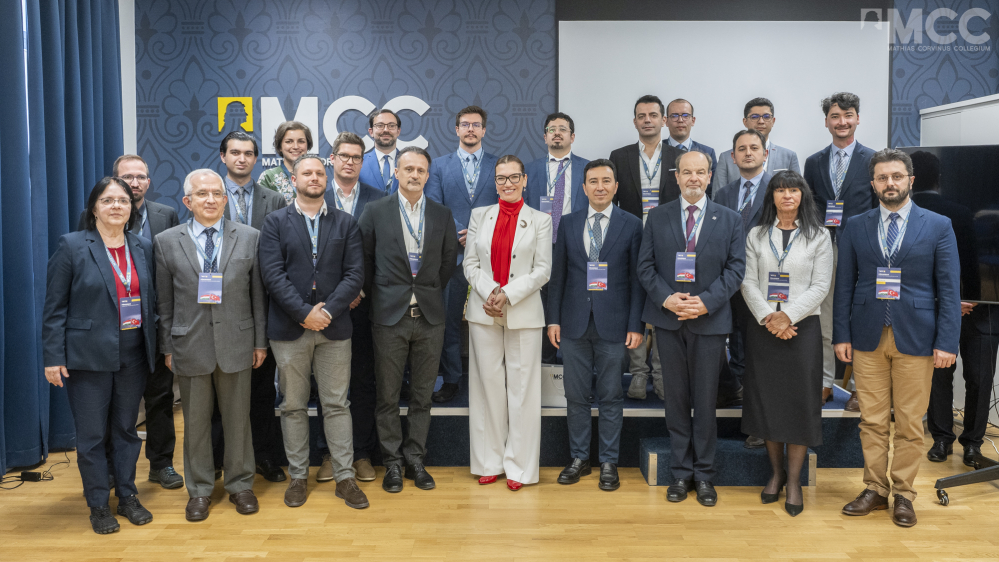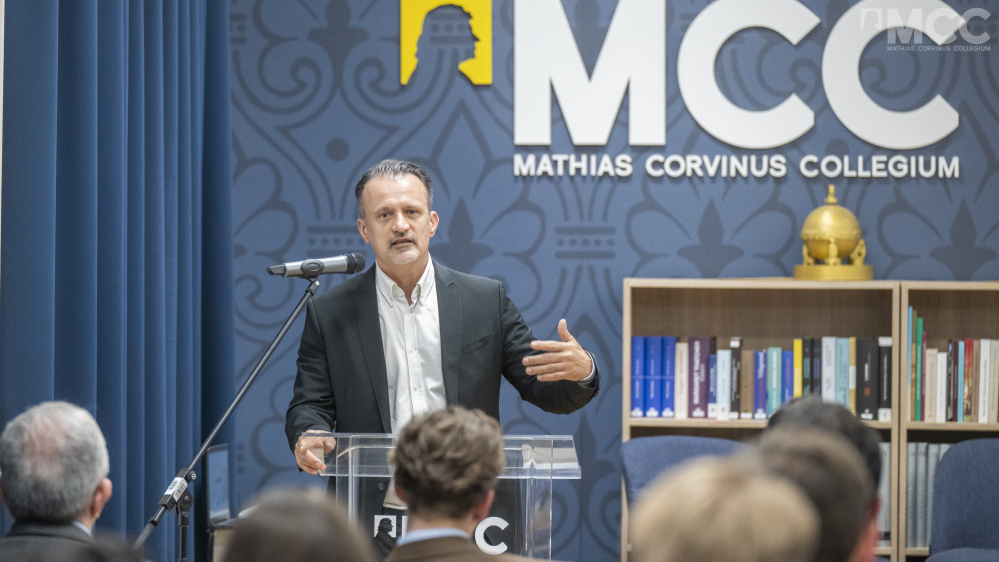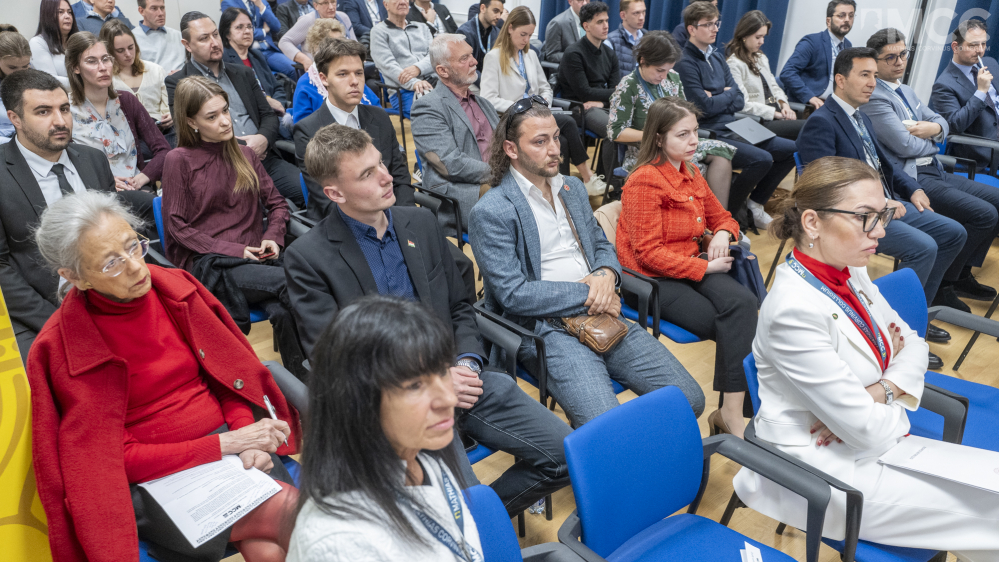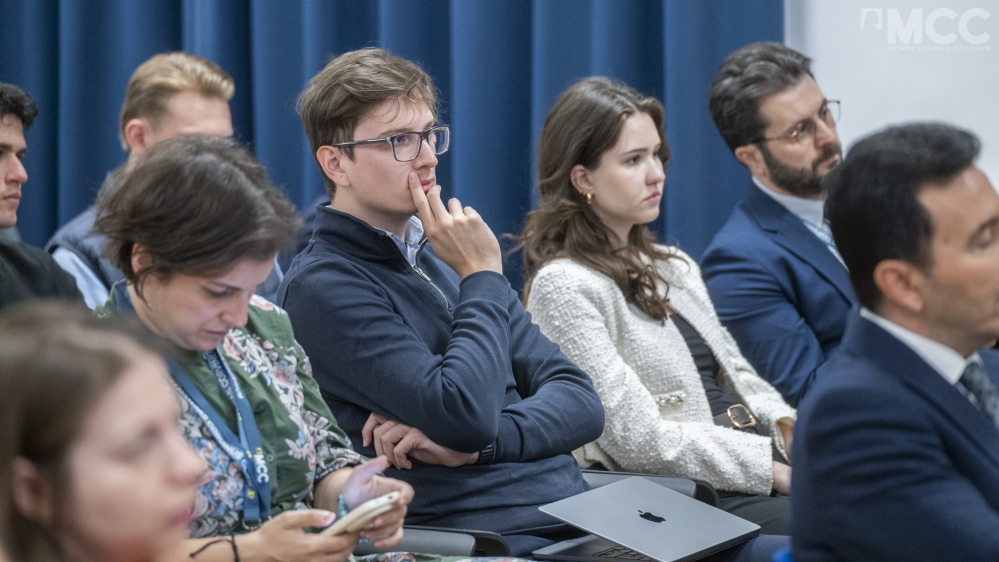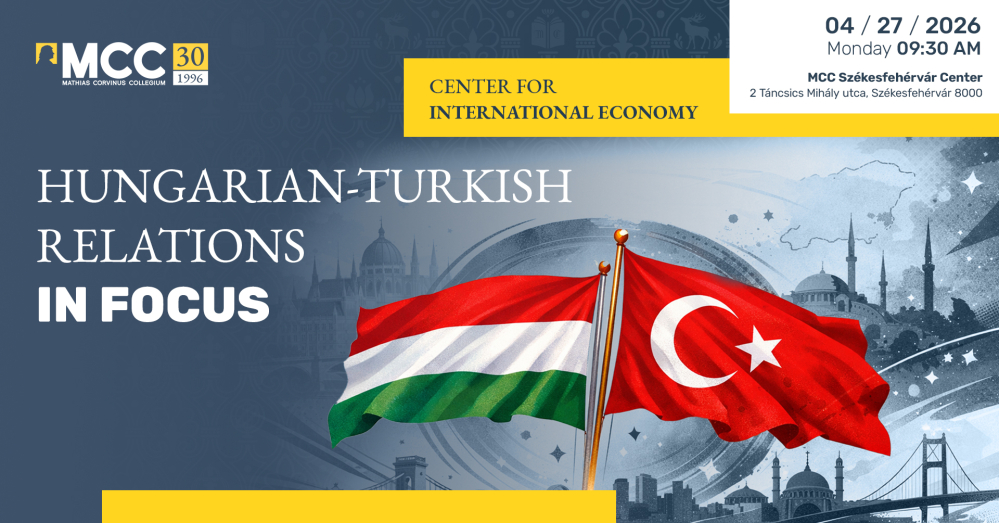
On April 27, 2026, the Center for International Economy of the Mathias Corvinus Collegium (MCC) hosted a conference titled Hungarian–Turkish Relations in Focus in Székesfehérvár. This event brought together Hungarian and Turkish scholars, policymakers, and experts to explore the evolving dynamics of the relationship between Hungary and Türkiye, emphasizing geopolitical, historical, economic, and energy-related dimensions.
A Relationship Rooted in History, Shaped by Strategy
Hungarian-Turkish relations are deeply embedded in a shared, often complex, historical legacy spanning centuries of interaction across Central Europe and the Ottoman sphere. While historical narratives have at times been marked by conflict, contemporary relations increasingly reflect pragmatic cooperation and mutual strategic interest. In recent years, both countries have demonstrated growing alignment in their foreign policy approaches, particularly regarding migration management, regional security, and economic cooperation.
The conference emphasized that this transformation – from historically layered relations to a forward-looking strategic partnership – has been facilitated by shared interests and a mutual perception of cultural and historical affinity. This narrative has gained prominence in political discourse and has contributed to strengthening bilateral engagement at multiple levels.
From Bilateral Ties to Strategic Partnership
A central theme of the conference was the transition from traditional bilateral relations to a structured strategic partnership. Participants highlighted the increasing frequency of high-level political dialogue and institutional cooperation between Hungary and Türkiye. This includes enhanced coordination within international organizations and a shared emphasis on sovereignty, national interests, and pragmatic diplomacy.
Participants also discussed how both countries position themselves as middle powers within the broader international system, seeking to balance relations with major global actors while maintaining autonomy in decision-making. This approach has enabled both countries to pursue flexible foreign policies in a rapidly changing geopolitical environment.
Historical Perspectives on Modern Cooperation
The conference revisited the modern history of Hungarian-Turkish relations, particularly since the end of the Cold War. Speakers noted that the post-1990 period marked a turning point characterized by the normalization and gradual intensification of diplomatic, economic, and cultural ties. Türkiye’s growing regional influence and Hungary’s integration into European and transatlantic structures have created new opportunities for cooperation, even as both countries navigate complex external pressures.
The role of historical memory in shaping contemporary policy was also discussed. While the past remains an important reference point, participants agreed that current relations are primarily driven by shared strategic interests rather than historical legacies alone.
Trade, Investment, and Energy Cooperation
Economic relations between Hungary and Türkiye have expanded significantly in recent years, with steadily increasing trade volumes and emerging new investment opportunities. The conference highlighted key sectors driving this cooperation, including manufacturing, infrastructure development, and logistics.
Energy cooperation was identified as a particularly critical area. Both countries play important roles in regional energy transit and diversification efforts. Türkiye’s position as an energy hub connecting Europe with suppliers in the Caucasus, Central Asia, and the Middle East aligns with Hungary’s strategic objective of enhancing energy security and reducing dependency on single sources.
Participants also discussed ongoing and potential projects aimed at strengthening connectivity and infrastructure between the two countries. These projects underscore the importance of energy corridors and transport networks in shaping the future of bilateral relations.
Strategic Autonomy and the Role of Middle Powers
Another key focus of the conference was the concept of strategic autonomy and its relevance for middle powers such as Hungary and Türkiye. In an increasingly multipolar world, both countries are seeking greater independence in their foreign and economic policies while maintaining constructive relations with major global actors.
Speakers explored how this approach manifests in areas such as defense policy, economic diversification, and diplomatic engagement. The Hungary-Türkiye relationship was presented as a case study of how middle powers can collaborate to enhance their influence and resilience in a shifting international system.
Navigating a Changing Geopolitical Landscape
The conference also addressed the broader geopolitical context shaping Hungarian–Turkish relations. Key issues included the war in Ukraine, evolving security dynamics in Europe and the Middle East, and the challenges posed by irregular migration.
Participants noted that Hungary and Türkiye share similar perspectives on several of these issues, particularly regarding the importance of stability, border protection, and pragmatic engagement with regional actors. This alignment has contributed to closer cooperation and mutual support in international forums.
At the same time, the discussions acknowledged the complexities and potential divergences that may arise as both countries navigate their respective regional environments. Managing these differences while maintaining a strong partnership was identified as a key challenge for the future.
The Role of MCC as a Platform for Dialogue
As the host institution, the Mathias Corvinus Collegium (MCC) played a central role in facilitating this high-level exchange of ideas. As one of Central Europe’s leading educational and research institutions, MCC provides a platform for interdisciplinary dialogue and critical debate on key global and regional issues. The conference exemplified MCC’s mission to foster intellectual engagement and contribute to policy-relevant discussions in Hungary and the wider Carpathian Basin.
The Hungarian–Turkish Relations in Focus conference highlighted the increasing significance of the partnership between Hungary and Türkiye in an era of geopolitical change. Rooted in a rich historical context yet driven by contemporary strategic considerations, this relationship continues to evolve in response to shared challenges and opportunities. As both countries navigate an increasingly complex international landscape, their cooperation, particularly in energy, trade, and diplomacy, will be crucial for regional stability and economic development. The conference’s discussions revealed the depth of current ties and the significant potential for strengthening Hungarian–Turkish relations in the future.
 April 28, 2026 at 9:00 AM - April 28, 2026 at 6:00 PM